Uncategorized

Uncategorized

The Role of Digital Marketing in Modern Business Growth

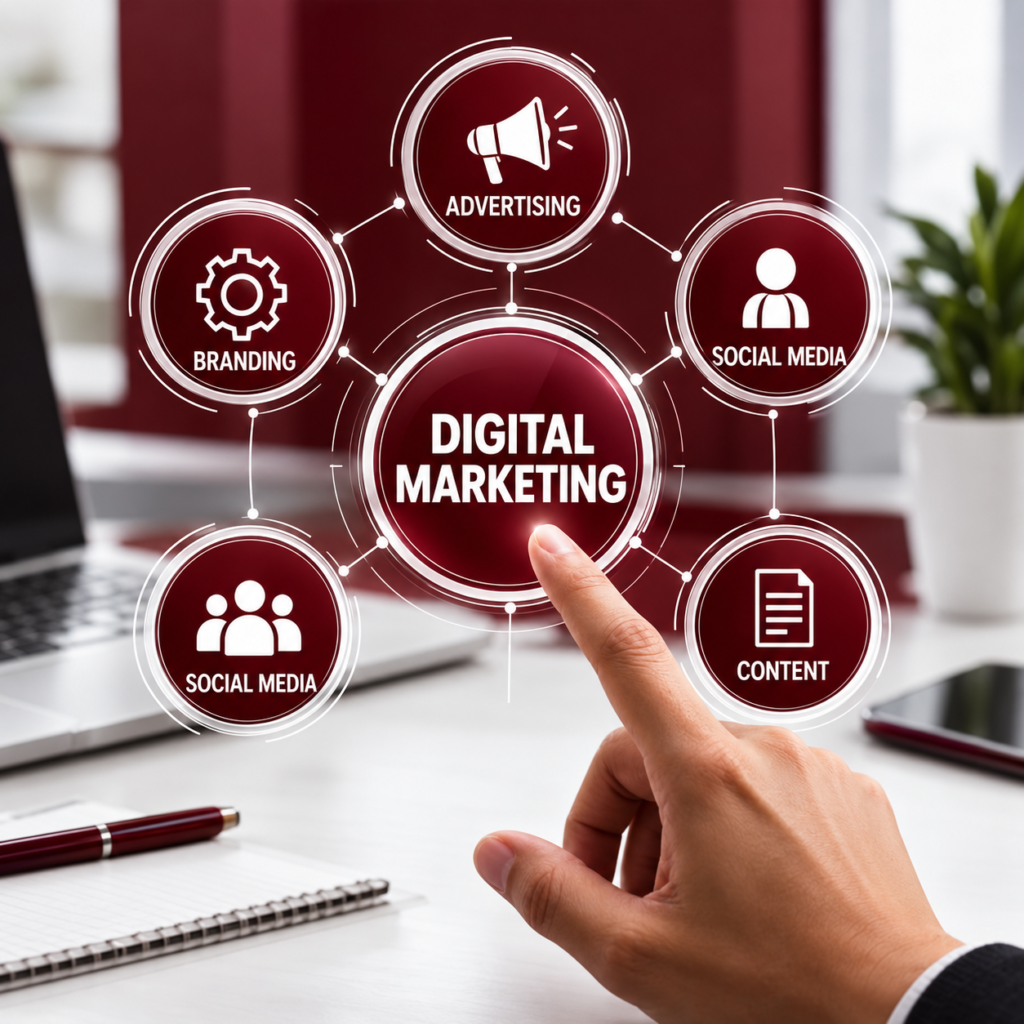
IThe Role of Digital Marketing in Modern Business Growthn today’s highly connected world, digital marketing has become one of the most powerful ways for businesses to reach customers, build their brand, and achieve sustainable growth. The way people discover products, compare services, communicate with businesses, and make purchasing decisions has changed significantly. Customers now spend a large part of their time online, making digital platforms an essential part of any modern marketing strategy. Whether it is a small local business, a growing startup, or an established company, having a strong digital presence can make a significant difference. Digital marketing provides businesses with multiple opportunities to reach the right audience, communicate effectively, build trust, and convert potential customers into loyal customers. What Is Digital Marketing? Digital marketing is the process of promoting a business, product, or service through digital channels. These channels include search engines, websites, social media platforms, email, online advertising, video platforms, and other internet-based communication channels. Unlike traditional marketing, digital marketing allows businesses to communicate with their audience in a more targeted and measurable way. Businesses can understand who is interacting with their content, where visitors are coming from, what they are interested in, and how they respond to different marketing campaigns. Digital marketing is not limited to one particular technique. It is a combination of different strategies that work together to achieve specific business objectives. Why Digital Marketing Is Important for Businesses The internet has become an important part of everyday life. Customers use search engines to find information, social media to discover brands, websites to research products, and online platforms to make purchases. Because of this change in consumer behavior, businesses need to be where their customers are spending their time. A strong digital marketing strategy helps businesses improve their visibility and reach potential customers at different stages of the buying journey. Someone may first discover a business through a social media post, later visit its website through a search engine, read a blog article, and eventually become a customer. This shows why businesses should not depend on a single marketing channel. A combination of different digital strategies can create a stronger and more effective customer journey. Understanding Your Target Audience One of the most important elements of digital marketing is understanding the target audience. Before creating advertisements, social media posts, or website content, businesses should know who they want to reach. Understanding customer needs, interests, challenges, online behavior, and purchasing habits can help businesses create more relevant marketing campaigns. For example, a business targeting young customers may focus more on short-form videos and social media platforms. A company providing professional services may focus on search engine optimization, LinkedIn, educational articles, and email marketing. The better a business understands its audience, the easier it becomes to create meaningful content and marketing messages. Building a Strong Online Presence A professional online presence is essential for building credibility. A business website often acts as the central point of its digital presence. It provides information about products, services, company background, contact details, customer reviews, and other important information. However, simply having a website is not enough. The website should be easy to navigate, mobile-friendly, fast, informative, and visually professional. Businesses should also maintain consistent branding across their website and social media channels. Consistent colors, images, messaging, and brand identity can help customers recognize and remember the business. The Importance of Search Engine Optimization Search Engine Optimization, commonly known as SEO, plays an important role in digital marketing. SEO helps businesses improve their visibility in search engine results. When potential customers search for products or services related to a business, appearing prominently in search results can increase the chances of attracting website visitors. SEO includes keyword research, content optimization, technical improvements, internal linking, website structure, and other optimization techniques. One of the biggest advantages of SEO is that it can provide long-term value. A well-optimized website and useful content can continue attracting relevant visitors over time. However, SEO requires patience. Search visibility usually develops through consistent effort rather than instant results. The Power of Content Marketing Content marketing focuses on creating useful and valuable information for a target audience. Instead of constantly asking customers to purchase something, businesses can provide content that answers questions, solves problems, and educates readers. Blog articles, videos, tutorials, guides, case studies, infographics, newsletters, and social media posts are all examples of content marketing. For example, a web design company could publish articles about website development, website speed, user experience, and online branding. Such content can attract people who are interested in these topics and introduce them to the company’s services. High-quality content can also demonstrate expertise and help establish trust. Social Media Marketing Social media has transformed the way businesses communicate with their customers. Platforms such as Instagram, Facebook, LinkedIn, YouTube, and other social networks provide businesses with opportunities to showcase their products, share information, interact with customers, and build communities. Social media marketing is most effective when businesses focus on providing value instead of simply promoting products. Educational posts, customer stories, behind-the-scenes content, videos, tips, industry insights, and engaging visuals can help maintain audience interest. Consistency is also important. Regularly publishing useful content helps businesses remain visible and recognizable. Paid Advertising Organic marketing strategies can take time to produce results. Paid advertising can provide businesses with faster visibility. Online advertising allows businesses to target specific audiences based on factors such as location, interests, demographics, search behavior, and other characteristics. Businesses can use paid advertisements to promote products, generate leads, increase website traffic, or encourage customers to take specific actions. However, successful advertising requires careful planning. Businesses should define their objective, target the right audience, create relevant advertisements, and monitor performance regularly. Simply spending more money does not guarantee better results. The quality of the campaign and relevance of the message are equally important. Email Marketing and Customer Relationships Email marketing remains a useful strategy for building long-term customer relationships. Businesses can use email to share newsletters, product updates, special offers, educational information, announcements,

Uncategorized

SEO and Content Marketing: How They Help Businesses Grow Online

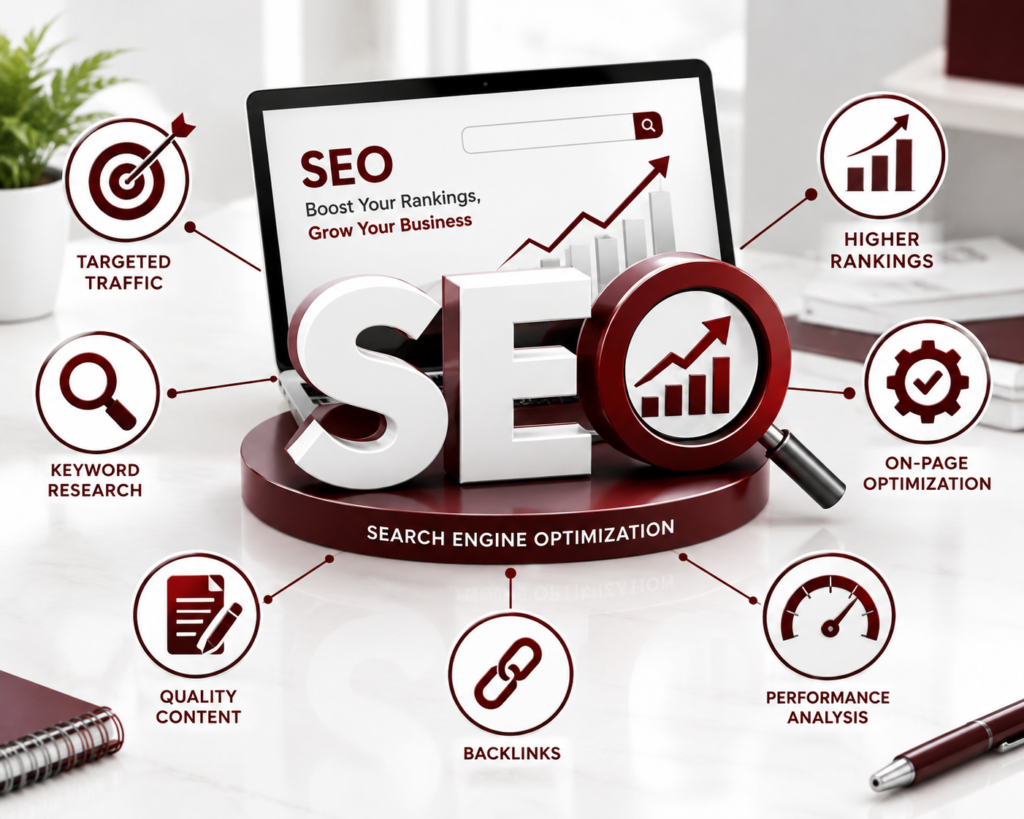
SEO and Content Marketing: How They Help Businesses Grow Online Having a website is not enough to succeed online. A business may have an attractive website, excellent products, and high-quality services, but if potential customers cannot find the website, it may receive very little traffic. In today’s competitive digital environment, businesses need effective strategies to improve their online visibility and connect with the people who are searching for their products or services. This is where Search Engine Optimization (SEO) and content marketing become important. Together, these digital marketing strategies can help businesses attract relevant visitors, build credibility, increase website visibility, and turn online users into customers. SEO helps search engines understand a website and its content, while content marketing focuses on creating useful information for the target audience. When these strategies work together, businesses can build a strong and sustainable online presence. What Is SEO? Search Engine Optimization, commonly known as SEO, is the process of improving a website so that it can perform better in search engine results. When someone searches for information, products, or services online, search engines analyze many different factors to determine which pages are most relevant to the search query. SEO helps businesses make their websites easier for both search engines and users to understand. It involves improving website content, structure, technical performance, keywords, internal links, and other elements that contribute to a better search experience. For example, if someone searches for “digital marketing services,” a business offering digital marketing services would want its website to appear when potential customers search for related terms. SEO helps improve the chances of appearing in relevant search results and connecting with people who are already interested in a particular product or service. Why SEO Matters People often use search engines when they need an answer, want to learn something, compare products, or find a particular service. This makes search engines an important source of potential customers. If a website appears in relevant search results, the business has an opportunity to attract people who are already interested in what it offers. One major advantage of SEO is that it can provide long-term value. Paid advertisements generally stop generating traffic when a campaign ends or its budget is exhausted. In contrast, well-optimized pages and useful content can continue attracting organic visitors over time. SEO can also help establish credibility. When a website regularly provides useful and relevant information, visitors may see the business as knowledgeable and trustworthy. However, SEO is not an overnight strategy. Search visibility can take time to develop, and businesses need to continuously improve their websites, content, and overall digital presence. Understanding Search Intent An important part of SEO is understanding search intent. Search intent refers to the reason behind a user’s search. People may search because they want information, want to compare options, want to find a specific website, or are ready to purchase a product or service. For example, someone searching for “what is SEO?” is probably looking for educational information. Someone searching for “SEO services near me” may already be interested in hiring an SEO professional or agency. Understanding these differences helps businesses create content that matches what users actually need. When content satisfies search intent, visitors are more likely to find the information useful and continue exploring the website. Businesses should therefore focus on creating content that answers real customer questions instead of creating content only to target keywords. Keyword Research Keywords are an important part of SEO. A keyword is a word or phrase that people type into search engines when looking for information, products, or services. Businesses need to understand what their potential customers are searching for. Keyword research can help identify relevant topics and search phrases that should be considered when creating website content. For example, a company offering digital marketing services might target phrases related to SEO services, social media marketing, Google Ads, content marketing, and digital marketing strategies. However, keyword research should focus on more than search volume. Search intent, relevance, competition, and the needs of the target audience are also important. Businesses should choose keywords that are closely related to their products or services and use them naturally throughout their content. Using keywords excessively can make an article difficult to read. The goal should be to create useful, natural content while making the main topic clear to search engines and readers. Creating High-Quality Content SEO and content marketing work closely together. Once a business understands what its audience is searching for, it can create content that answers those questions and provides useful information. Blog articles, guides, tutorials, videos, case studies, FAQs, checklists, and industry reports can all be used as part of a content marketing strategy. Quality is more important than simply producing a large amount of content. A useful article should provide accurate information, answer the reader’s question, be easy to understand, and offer genuine value. For example, instead of writing a short article simply to include a keyword, a business can create a detailed guide that explains the topic clearly and provides practical advice. Useful content can attract visitors and encourage them to explore other pages on the website. High-quality content can also help a business demonstrate expertise and create a stronger relationship with potential customers. The Role of Blog Content in SEO Blogging is one of the most common ways businesses use content marketing to support SEO. A blog allows a business to regularly publish information related to its industry, products, services, and customer questions. For example, a digital marketing website could publish articles about SEO, social media marketing, Google Ads, email marketing, website optimization, and content strategies. Each useful article can focus on a specific topic or search query. Over time, a collection of well-written blog posts can help a website cover a wider range of relevant topics and attract visitors with different interests and needs. Blog content can also support other marketing activities. An article can be shared on social media, included in an email newsletter, or used as a resource

How Social Media Marketing Helps Businesses Grow
Uncategorized

How Social Media Marketing Helps Businesses Grow

How Social Media Marketing Helps Businesses Grow Social media has become an essential part of everyday life. Millions of people use social media platforms every day to communicate, discover products, watch videos, read reviews, and follow their favorite brands. For businesses, this creates a valuable opportunity to connect with potential customers, build brand awareness, and create a strong online presence. Social media marketing is the process of using social media platforms to promote a business, communicate with customers, increase brand awareness, generate leads, and drive sales. Whether a business is a small local company, a startup, or a large organization, social media can play an important role in its digital marketing strategy. Unlike traditional marketing, social media allows businesses to communicate directly with their target audience. Businesses can share content, respond to questions, collect feedback, promote products, and build relationships with customers in real time. What Is Social Media Marketing? How Social Media Marketing Helps Businesses Grow Social media marketing involves creating, publishing, and sharing content on social networking platforms to achieve specific business goals. Depending on the type of business and its target audience, marketers may use platforms such as Instagram, Facebook, LinkedIn, YouTube, TikTok, Pinterest, and other social networks. The purpose of social media marketing is not always direct selling. Social media can also be used to educate customers, answer questions, demonstrate expertise, build trust, increase website traffic, and create a community around a brand. For example, a digital marketing agency may use social media to share SEO tips, marketing strategies, industry updates, and educational videos. A fashion brand may showcase new collections through photographs and short videos. A restaurant can use social media to display food, share customer experiences, announce offers, and introduce new menu items. A successful social media strategy focuses on understanding the audience and providing content that is useful, interesting, or entertaining. Why Businesses Need Social Media How Social Media Marketing Helps Businesses Grow Customers increasingly expect businesses to have an online presence. Before choosing a company, people may search for its website, social media profiles, customer reviews, and online content to learn more about its products and services. An active and professional social media presence can make a business appear more accessible and trustworthy. It also gives customers an easy way to communicate with the company. Social media provides businesses with an opportunity to reach people beyond their local area. A small business can potentially attract customers from different cities, states, or even countries by consistently publishing useful and engaging content. Another important advantage is accessibility. Social media allows businesses to communicate with their audience without relying entirely on traditional advertising methods. Even businesses with limited marketing budgets can begin building an audience through organic content. Building Brand Awareness How Social Media Marketing Helps Businesses Grow One of the biggest benefits of social media marketing is increased brand awareness. Regularly publishing valuable and relevant content helps people become familiar with a brand. Even when a person does not immediately purchase a product or service, seeing the brand repeatedly can increase recognition and familiarity over time. Businesses can use social media to communicate their identity and values. Consistent colors, designs, photography, videos, logos, and messaging can help create a recognizable brand image. For example, a company that consistently shares professional educational content can position itself as knowledgeable in its industry. A lifestyle brand may use creative photographs and videos to create a specific visual identity. Brand awareness is important because customers are more likely to consider businesses they already recognize when they are ready to make a purchase. Reaching the Right Audience How Social Media Marketing Helps Businesses Grow Social media marketing allows businesses to reach specific groups of people based on their interests, location, age, profession, behavior, and other characteristics. Understanding the target audience is an important part of social media marketing. Before creating content, businesses should identify who they want to reach. For example, a local restaurant may focus on people living near its location. A business-to-business company may concentrate on LinkedIn and target professionals or decision-makers. A fashion business may focus on platforms where visual content performs well. When businesses understand their audience, they can create content that is more relevant and meaningful. Engaging With Customers How Social Media Marketing Helps Businesses Grow Social media is different from traditional advertising because it allows two-way communication. Customers can comment on posts, send direct messages, ask questions, share feedback, and mention businesses in their own posts. Businesses can respond directly and create stronger relationships with their audience. Quick and helpful communication can improve customer satisfaction. When customers feel that a business listens to them and responds to their concerns, they may develop greater trust in the brand. Engagement can also help businesses understand what their customers want. Comments, questions, and feedback can provide useful ideas for improving products, services, and marketing campaigns. Creating Valuable Content How Social Media Marketing Helps Businesses Grow Successful social media marketing depends heavily on content quality. Businesses should avoid posting only promotional messages. Instead, they can create a mixture of educational, entertaining, informative, inspirational, and promotional content. For example, a digital marketing company could share SEO tips, marketing statistics, website advice, short tutorials, industry updates, case studies, and common marketing mistakes. A restaurant could share recipes, food photographs, customer experiences, special offers, cooking videos, and behind-the-scenes content. A fitness business could publish workout tips, healthy lifestyle information, exercise demonstrations, and customer success stories. The best social media content is usually content that provides value to the audience. When people find content useful or interesting, they are more likely to engage with it, share it, and remember the brand. The Importance of Video Marketing How Social Media Marketing Helps Businesses Grow Video has become one of the most popular content formats on social media. Short videos can attract attention quickly and communicate information in an easy-to-understand way. Businesses can create tutorials, product demonstrations, customer testimonials, educational videos, interviews, behind-the-scenes content, and short informational videos. Video content can also

Digital Marketing: The Complete Guide for Beginners
Uncategorized

Best Digital Marketing: The Complete Guide for Beginners 10 Solutions

Digital Marketing: The Complete Guide for Beginners Digital marketing has become one of the most important parts of modern business. As more people use smartphones, search engines, social media platforms, websites, and online shopping platforms, businesses need a strong digital presence to reach their customers effectively. Whether you are a small business owner, startup, freelancer, or large company, digital marketing can help you attract new customers, build brand awareness, generate leads, and increase sales. Unlike traditional marketing, digital marketing allows businesses to connect with their target audience through online channels. It also provides valuable data that helps businesses understand customer behavior and measure the performance of their marketing campaigns. In this complete guide, we will explore what digital marketing is, why it is important, its major types, how to create an effective digital marketing strategy, and the benefits it can provide to businesses. What Is Digital Marketing? Digital Marketing: The Complete Guide for Beginners Digital marketing refers to the promotion of products, services, brands, or businesses through digital channels. These channels include search engines, websites, social media platforms, email, online advertisements, video platforms, and other internet-based communication channels. Traditional marketing methods such as newspapers, television advertisements, radio, magazines, and billboards can still be useful. However, digital marketing provides businesses with more opportunities to target specific audiences and measure their results. For example, a local business can use search engine optimization to appear when people search for its services online. It can also use social media marketing to communicate with customers, publish useful content, and promote special offers. Some of the major areas of digital marketing include Search Engine Optimization (SEO), social media marketing, content marketing, email marketing, pay-per-click advertising, influencer marketing, affiliate marketing, and online reputation management. Why Is Digital Marketing Important? Digital Marketing: The Complete Guide for Beginners The internet has changed the way people discover businesses and make purchasing decisions. Before buying a product or service, customers often search online, read reviews, compare different options, watch videos, and visit social media pages. Because of this change in customer behavior, having an online presence has become extremely important for businesses. A well-planned digital marketing strategy helps businesses reach potential customers at different stages of their buying journey. A person may first discover a brand through Google, later follow the business on Instagram, read a blog post, and finally become a customer. Another important advantage of digital marketing is flexibility. Businesses can choose strategies according to their goals and budgets. A small business can begin with SEO, social media content, and blogging without spending a large amount on advertising. Digital marketing also makes it easier to measure performance. Businesses can track website visitors, clicks, leads, conversions, engagement, and sales. This information can be used to improve future marketing campaigns. Major Types of Digital Marketing Digital Marketing: The Complete Guide for Beginners Digital marketing includes several different strategies. Each strategy has a specific purpose, and businesses can combine multiple methods to achieve their goals. 1. Search Engine Optimization Digital Marketing: The Complete Guide for Beginners Search Engine Optimization, commonly known as SEO, is the process of improving a website so that it can appear higher in search engine results. When people search for products, services, questions, or information related to a business, SEO can help the website become more visible. SEO includes several activities such as keyword research, on-page optimization, technical SEO, quality content creation, internal linking, website speed optimization, mobile optimization, and earning relevant backlinks. For example, if someone searches for “digital marketing services near me,” businesses that have optimized their websites may have a better opportunity to appear in relevant search results. One of the biggest advantages of SEO is that it can generate organic traffic without requiring businesses to pay for every individual click. However, SEO is a long-term strategy that requires consistency, quality content, and continuous optimization. 2. Social Media Marketing Digital Marketing: The Complete Guide for Beginners Social media marketing involves promoting a business, product, service, or personal brand through social media platforms. Popular platforms include Instagram, Facebook, LinkedIn, YouTube, Pinterest, and other social networks. Businesses can use social media to share educational content, product updates, customer testimonials, videos, images, offers, announcements, and behind-the-scenes content. Social media is not only about selling products. It is also about building relationships with customers and creating a strong online community. For example, a clothing brand can share styling tips, new product collections, customer photos, short videos, and fashion-related content. This type of content can increase engagement and help the brand remain visible to its audience. 3. Content Marketing Digital Marketing: The Complete Guide for Beginners Content marketing focuses on creating and distributing useful, valuable, and relevant content for a specific audience. Common forms of content marketing include blog posts, articles, videos, infographics, ebooks, guides, podcasts, social media posts, and newsletters. The main purpose of content marketing is to provide information that helps the audience solve problems or answer questions. For example, a digital marketing professional can publish articles about SEO, social media strategies, website optimization, keyword research, and online advertising. People searching for this information may discover the content through search engines. High-quality content can increase website traffic, improve brand authority, build trust, and support SEO efforts. 4. Email Marketing Digital Marketing: The Complete Guide for Beginners Email marketing is another powerful digital marketing strategy. It allows businesses to communicate directly with existing customers and potential customers. Businesses can use email marketing to send newsletters, product announcements, special offers, educational information, event invitations, and personalized recommendations. One major advantage of email marketing is that businesses can communicate with people who have already shown interest in their products or services. A successful email marketing campaign should provide value rather than sending promotional messages repeatedly. Useful information, personalized content, and relevant offers can help improve customer engagement. 5. Pay-Per-Click Advertising Digital Marketing: The Complete Guide for Beginners Pay-per-click advertising, commonly known as PPC, is a form of paid digital advertising where businesses typically pay when users click on their advertisements.

Scroll to Top